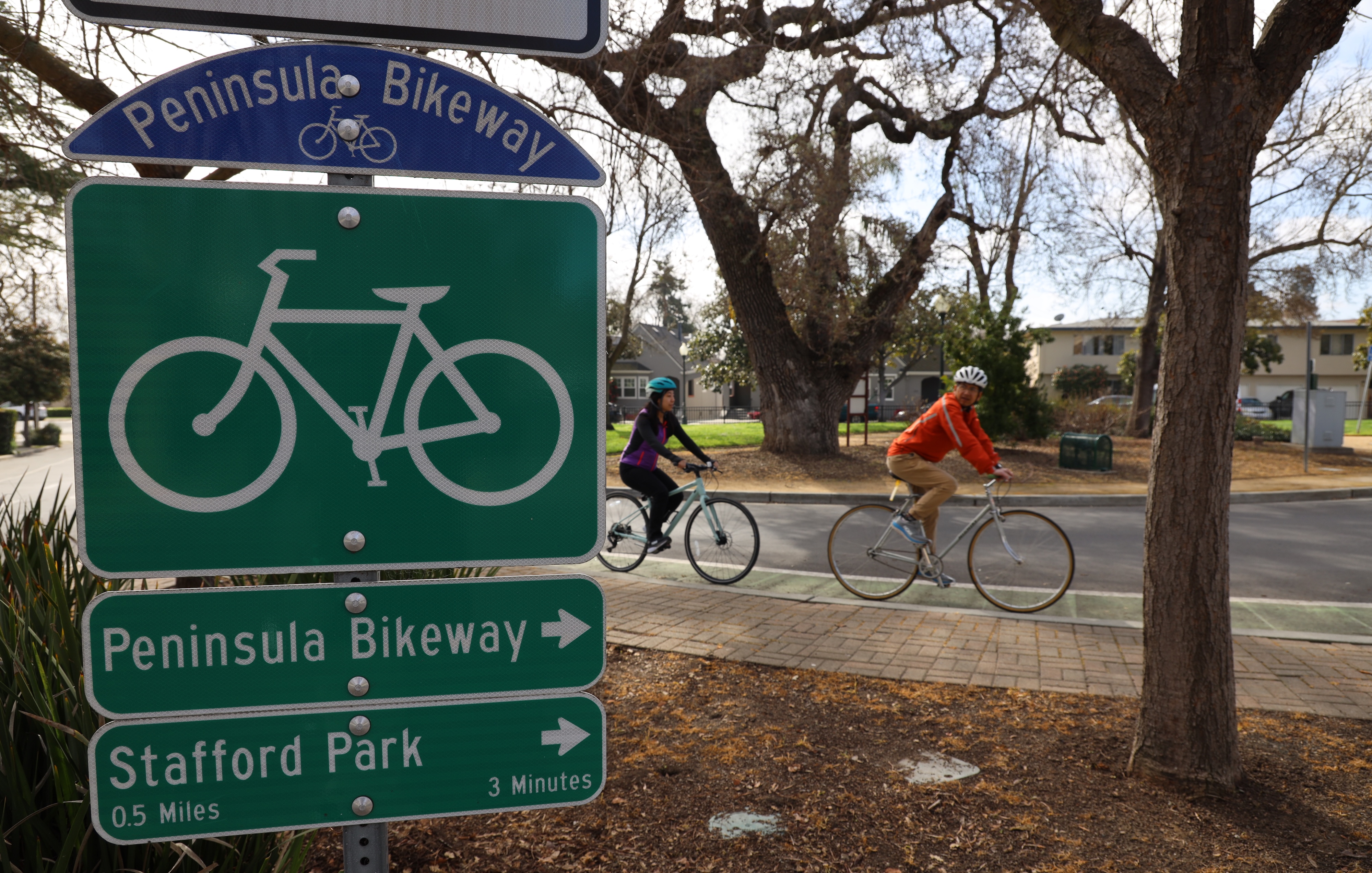
The purpose of the Local Streets and Transportation program is to provide directly distributed funds to local cities and the county. The funds can be used for a variety of transportation-related purposes such as repaving streets, repairing potholes or sidewalks, implementing bicycle or pedestrian projects, funding shuttles or vanpools, improving traffic operations, and furthering other transportation safety or congestion relief projects.
As defined by the 2004 Transportation Expenditure Plan, Measure A provides the Local Streets and Transportation category with a 22.5 percent share of the sales tax revenue collected. Similarly, as defined by the 2018 Congestion Relief Plan, Measure W provides the Local Streets and Transportation category with a 10 percent share of the sales tax revenue collected. However, Measure W Local Streets & Transportation funds can only be used on repaving projects if a local jurisdiction's Pavement Condition Index (PCI) score is under 70. The SMCTA Strategic Plan 2025-2029 projected that Measure A and Measure W will generate approximately $40 million per year in available funding for this program.
Success for the Local Streets and Transportation Program is improved and maintained local transportation facilities and services. This is primarily achieved through successful distribution of funds directly to local agencies.
How does SMCTA allocate funding to cities and the county?
The annual distribution is based on a calculation 50% on population and 50% on road miles, which will be adjusted annually.
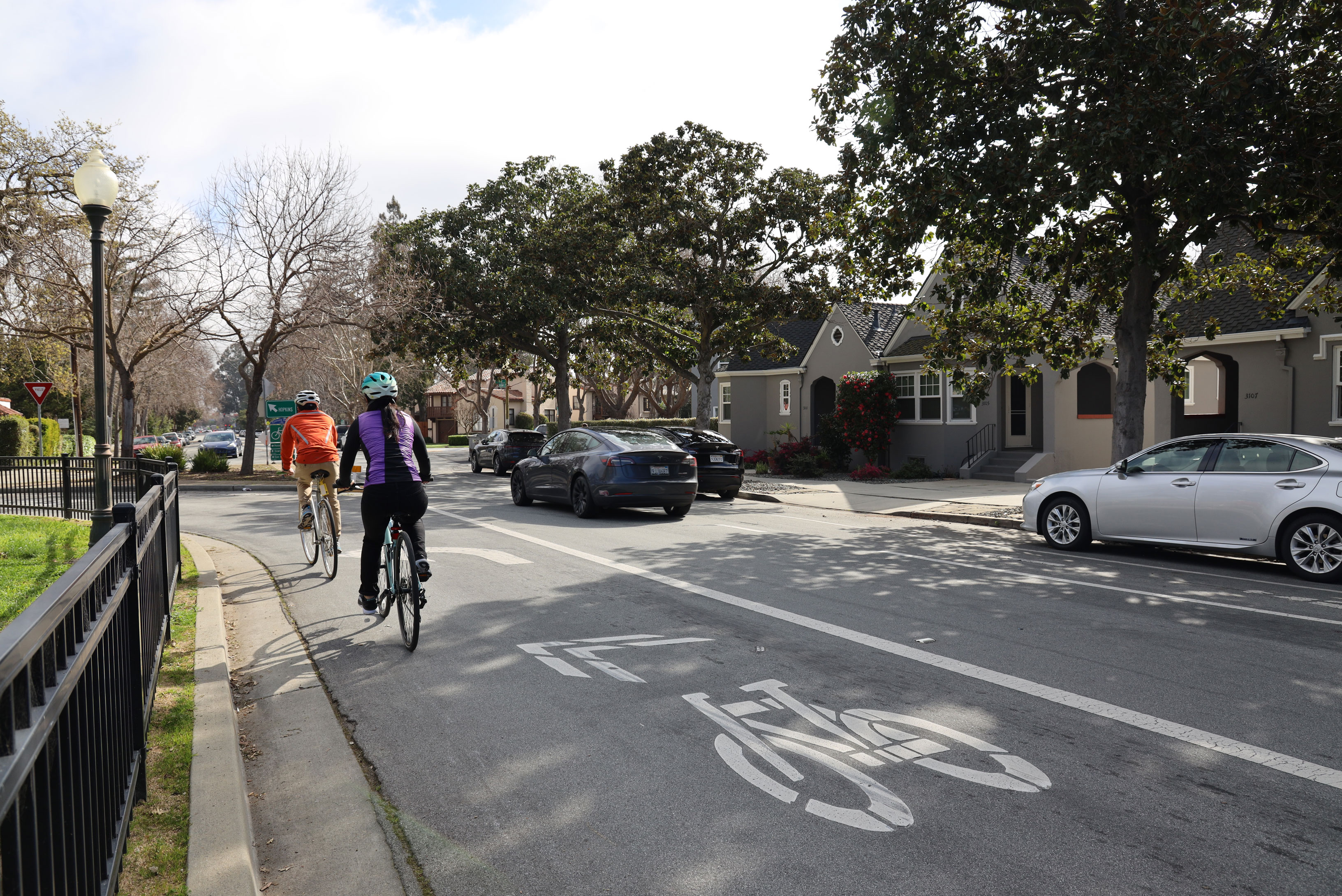
Local Streets & Road Budget Projections by Fiscal Year
This section will be updated as program funding projections for Local Streets & Transportation is identified following the adoption of the Draft SMCTA Budget each year (May) based on Fiscal Years (Begins in July and ends following June).
- FY 2024 Projection
- FY 2025 Projection
- FY 2026 Projection (Upcoming)
- FY 2027 Projection (Upcoming)