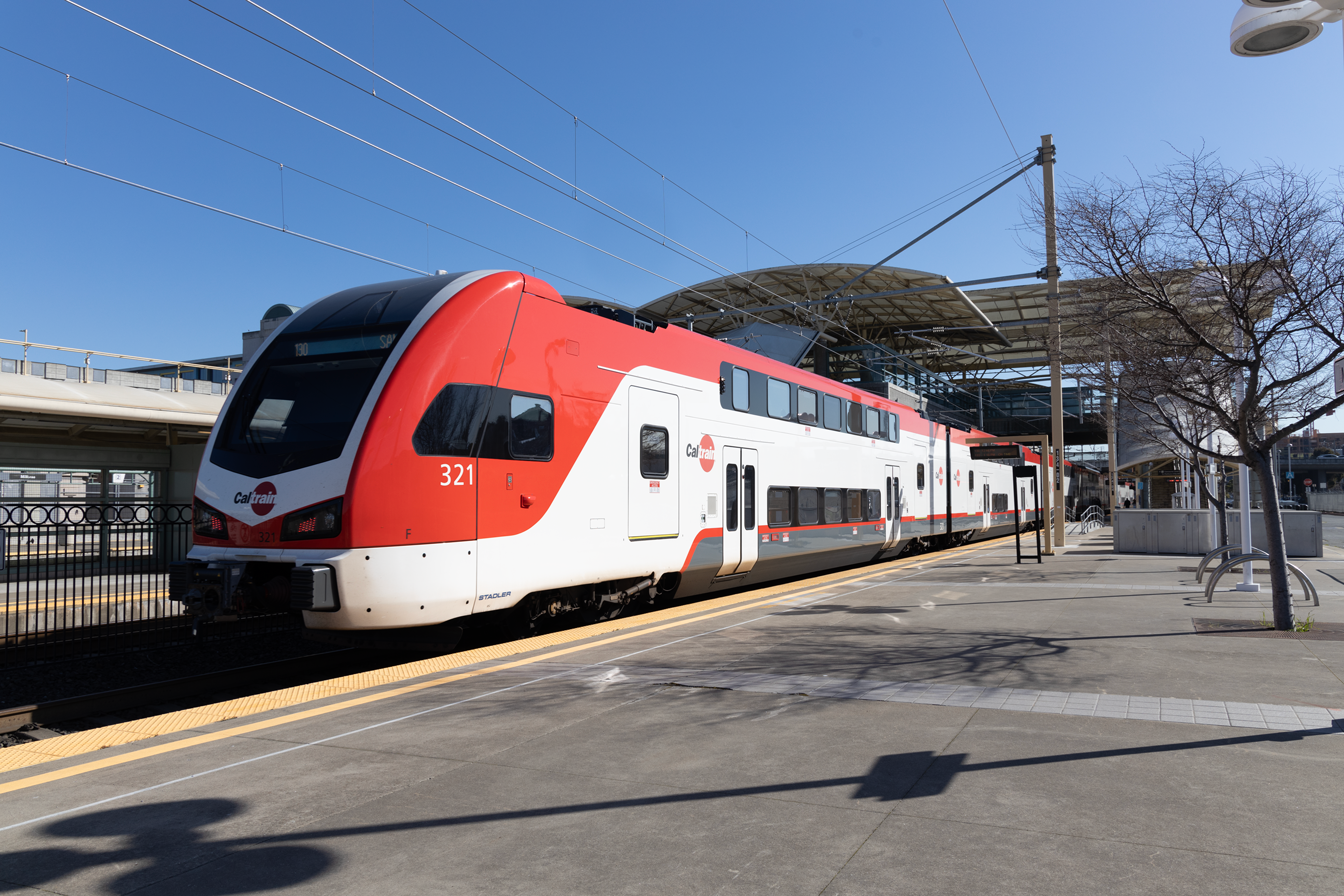
Caltrain Program
The purpose of the Caltrain Program is to upgrade and expand the Caltrain railroad both in San Mateo County and systemwide. The San Mateo County Transit District (District) is the member agency representing San Mateo County on the Peninsula Joint Powers Board (JPB/Caltrain). However, SMCTA provides the annual capital and/or operating contributions, on behalf of the District, as is required from the three Caltrain member agencies which also includes the Santa Clara Valley Transportation Authority and the City and County of San Francisco. Any funding remaining in the Caltrain Program category following the required contributions may be spent on special local Caltrain projects needs in San Mateo County as approved by SMCTA.
As defined in the 2004 Transportation Expenditure Plan, Measure A provides the Caltrain Program with a 16 percent share of the sales tax revenue collected. The SMCTA Strategic Plan 2025-2029 projected that Measure A will generate approximately $20 million per year in available funding for this program.
Success for the Caltrain program is funded infrastructure improvements to maintain, upgrade, and expand rail transit services in San Mateo County.
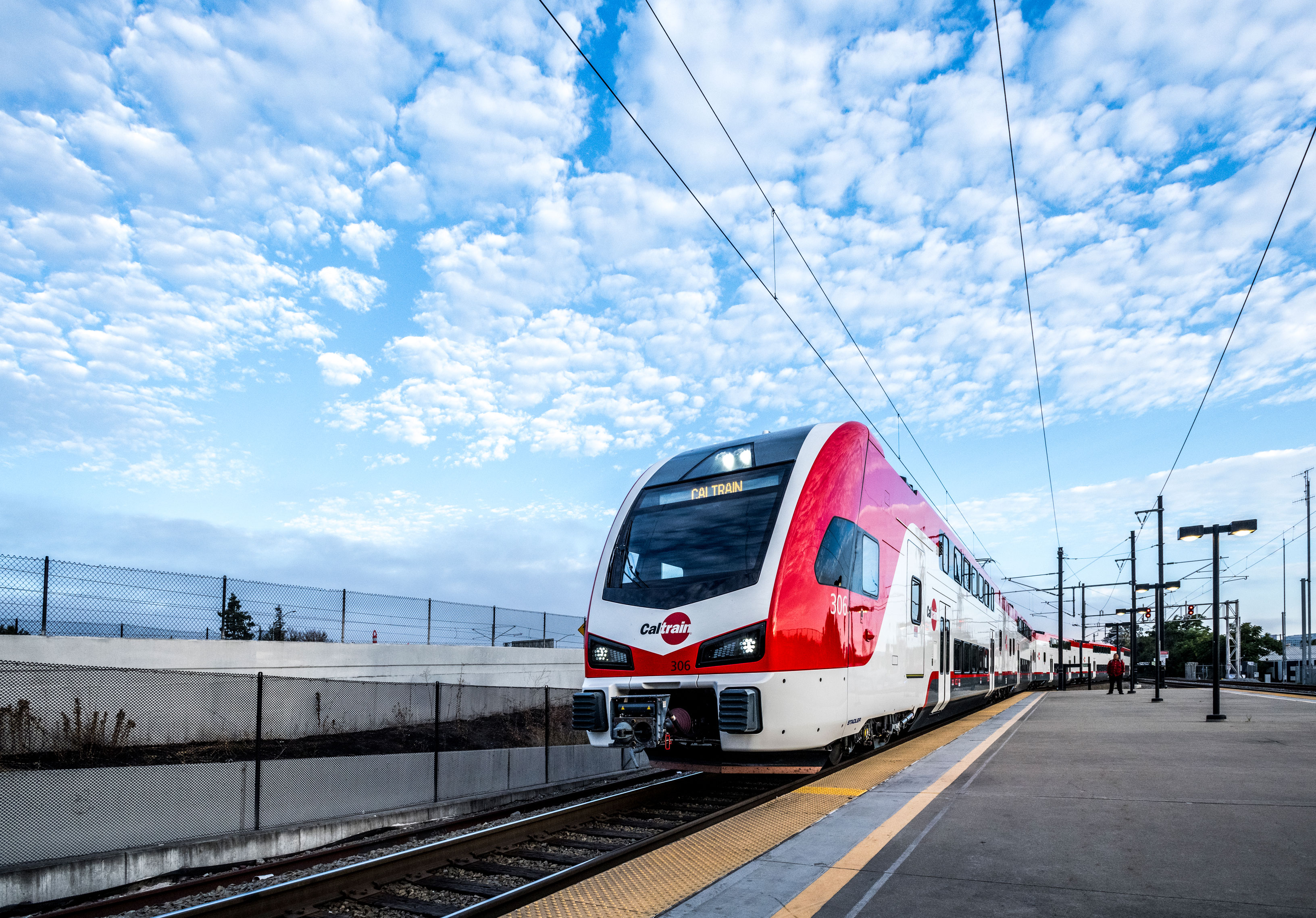
Why did Caltrain electrify the railroad?
The primary purpose of Caltrain Electrification is to improve Caltrain system performance and curtail long-term environmental impacts by reducing noise, improving regional air quality, and lowering greenhouse gas emissions. Electrification improvements will better address Peninsula commuters’ vision of increased service and improved travel times in an environmentally friendly and reliable way. These service improvements are also expected to help accommodate increased system ridership through improved system operations.
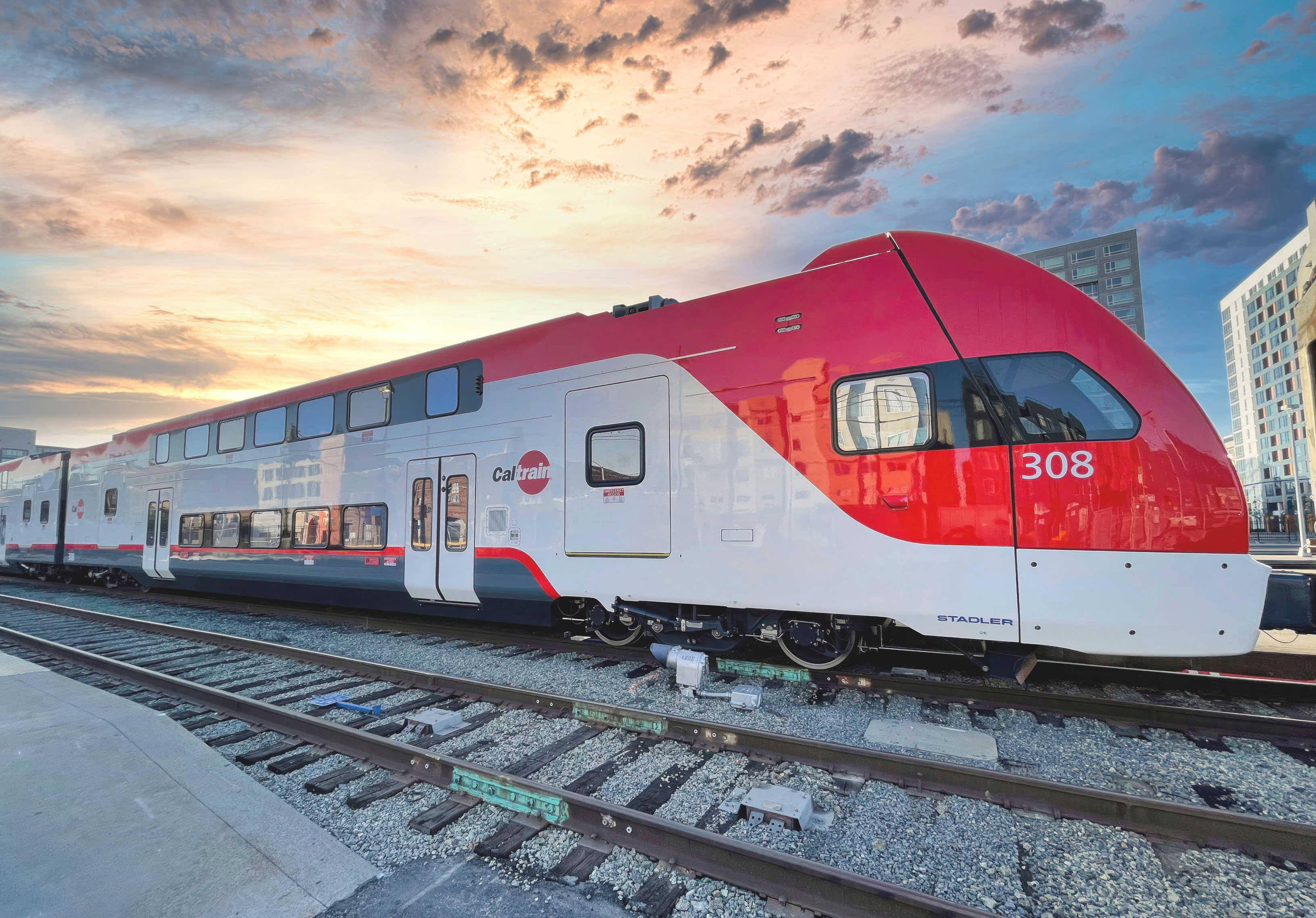
Peninsula Corridor Electrification Project (Constructed)
Caltrain's 51-mile double track commuter rail has been upgraded and electrified from the 4th and King Caltrain Station in San Francisco to the Tamien Station in San Jose. The Peninsula Corridor Electrification Project (PCEP) includes two components: rolling stock and infrastructure. The rolling stock component includes the design and purchase of 96 Electric Multiple Units (EMUs) to replace approximately 75 percent of the existing diesel rolling stock. The infrastructure component includes the installation of an Overhead Contact System (OCS) and traction power substations (TPS) that will provide power to the EMUs, beginning at the 4th and King Caltrain Station in San Francisco and ending at the Tamien Station in San Jose. Caltrain launched their new electrified service on September 21, 2024.
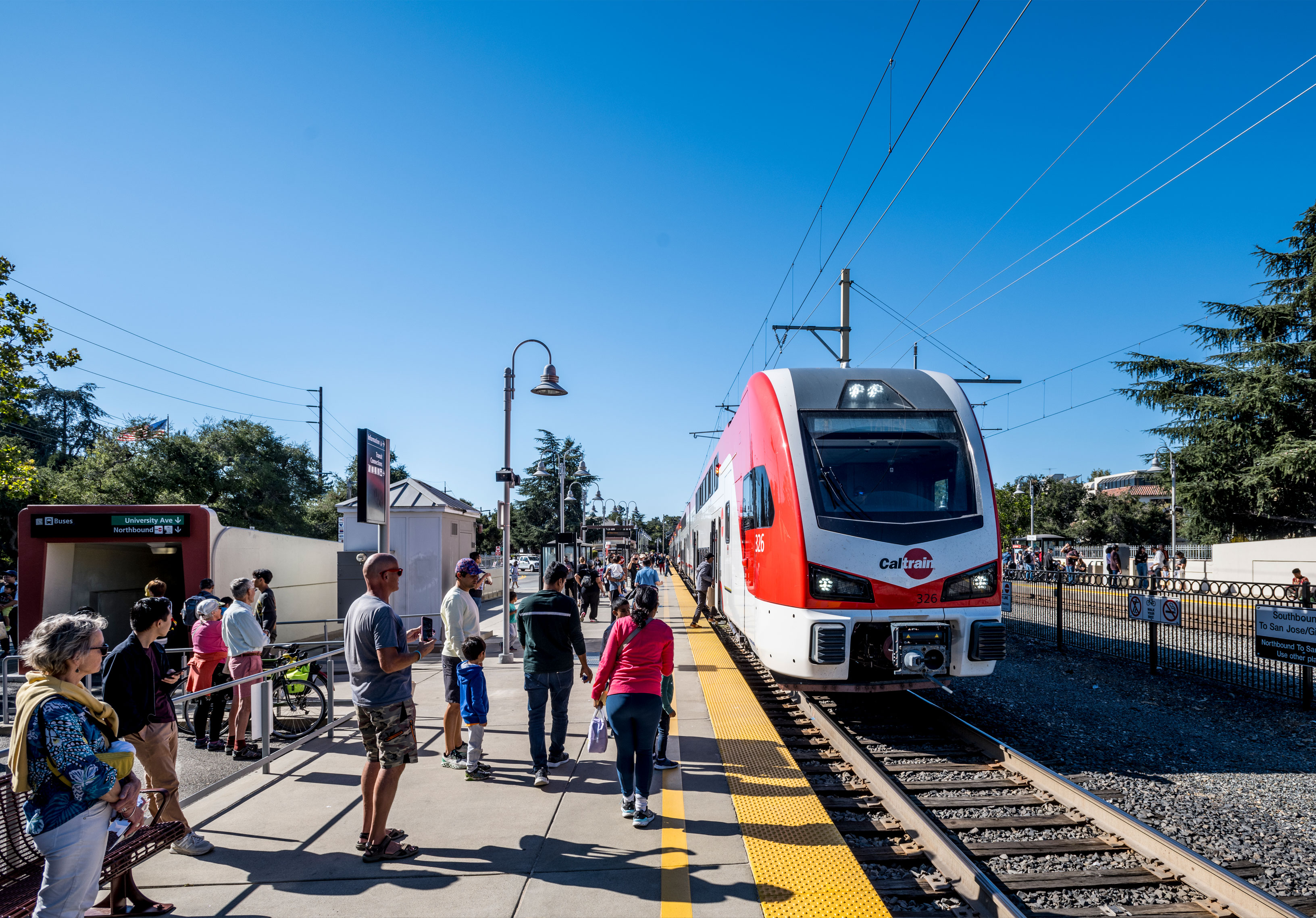
Caltrain Atherton Station Closure (Constructed)
The Town of Atherton and Caltrain agreed to close the Atherton Caltrain station in exchange for improvements in the station area, including installation of fencing the rail right of way and new grade crossing equipment at Watkins Avenue. Service was reallocated to adjacent stations and this removes a "hold out" rule where trains could not pass while a train was at the station.
Caltrain Program Planning
Caltrain undertakes a multitude of planning efforts that shape the future of the service and related capital projects. To learn more about some of their guiding planning documents and efforts, use the links provided below.
Business Plan and Service 2040 Vision: https://www.caltrain.com/caltrain-business-plan
Capital Improvement Plan: https://www.caltrain.com/projects/cip
Station Access Policy: https://www.caltrain.com/about/station-access-policy
Corridor Crossing Strategy: https://www.caltrain.com/projects/ccs
Caltrain Program Funding Awards
This section will be updated as program funding is awarded by the SMCTA Board of Directors.
Caltrain Program Partner Resources
To get more general information on Caltrain services, please visit: https://www.caltrain.com/